Wildlife Control Explained: Essential Strategies and Dead Animal Removal Services
Wildlife management includes strategies designed to manage animal populations and guarantee safe environments. Recognizing the effects of typical wildlife intruders is crucial for property owners. Effective prevention methods can greatly reduce the risk of wildlife intrusions. Moreover, the swift elimination of dead wildlife is paramount for community health and well-being. However, many remain unaware of the key elements involved in effective wildlife control and the importance of professional services. What steps can be taken to safeguard homes and communities?
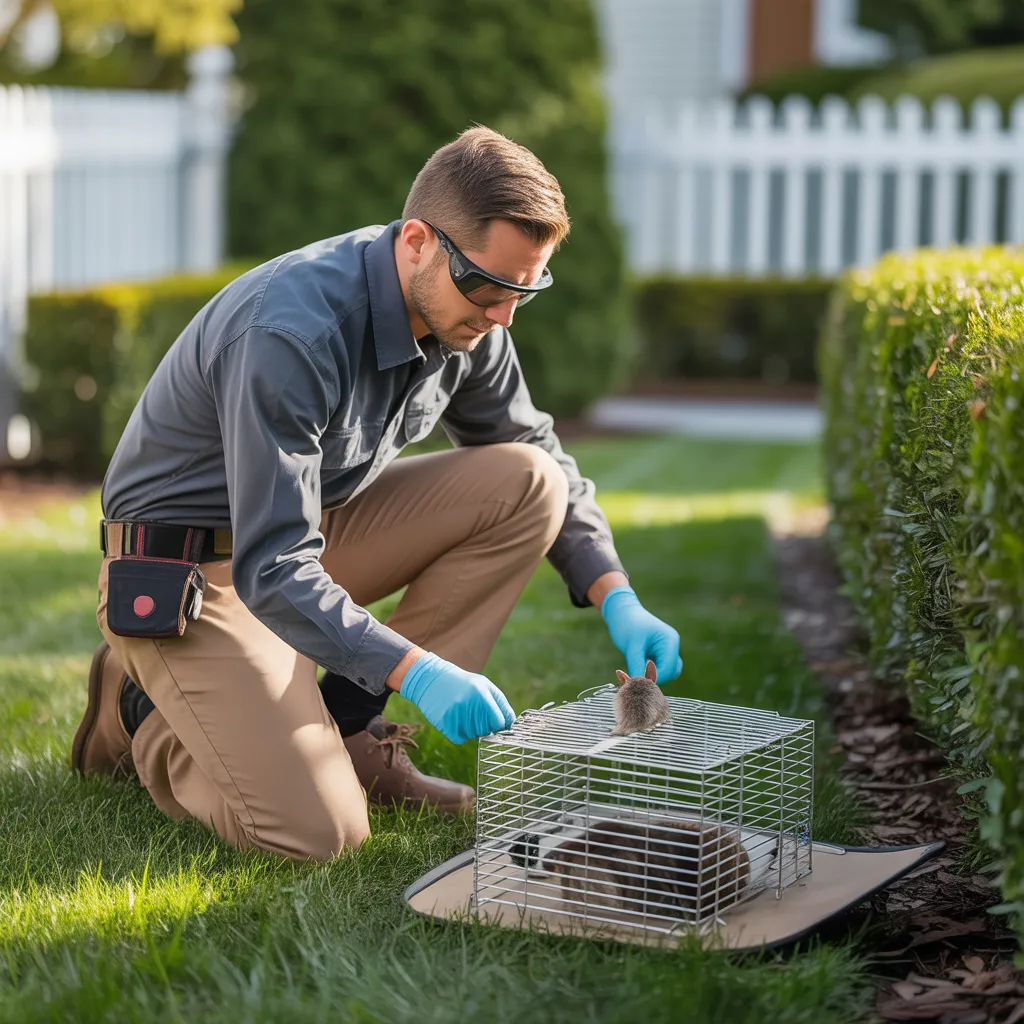
What Is Wildlife Management and Why Does It Matter?
Wildlife management encompasses numerous strategies aimed at managing animal populations and their interactions with human environments. This discipline is critical for balancing ecological systems and minimizing conflicts between wildlife and people. Proper wildlife management helps protect public health by minimizing the threats connected to zoonotic illnesses, which have the potential to pass from animals to humans.
Furthermore, it preserves the interests of farmers by controlling species that may threaten agricultural resources. By utilizing compassionate approaches, wildlife control encourages harmonious living, guaranteeing that human requirements and animal protection remain equally important.
Additionally, it helps to sustain biodiversity by managing foreign species that can disrupt local ecosystems. Ultimately, wildlife management is vital not only for enhancing safety and reducing property damage but also for promoting a balanced interaction between humanity and the environment.
How Typical Wildlife Invaders Cause Damage to Your Home
Typical wildlife pests create major hazards for households, causing structural deterioration that can weaken a building's foundation. Such creatures are capable of tainting insulation, generating dangerous health risks for residents. Furthermore, having these creatures nearby introduces serious electrical dangers, given their tendency to bite through cables, heightening the likelihood of dangerous fires.
Structural Damage Risks
The existence of wildlife invaders can cause considerable structural deterioration in homes. Creatures including raccoons, squirrels, and rodents often exploit weaknesses in home exteriors, forming access points that weaken structural stability. Raccoons, for instance, are capable of ripping away roofing components and deteriorate insulation, while squirrels often chew through electrical cables and timber beams, heightening the potential for fire hazards. Additionally, tunneling animals can destabilize foundations by forming underground passages, increasing the likelihood of structural collapse. With the passage of time, these breaches can allow moisture to enter, causing mold proliferation and timber deterioration. Residents ought to be watchful for signs of wildlife intrusion to avert costly damage and secure the protection and durability of their homes. Swift action is necessary to address these threats.
Insulation Contamination Concerns
Insulation functions as a critical shield against temperature changes, but it can readily be damaged by encroaching creatures. Wildlife such as rodents and raccoons can tear through insulation materials, establishing routes that permit additional intrusion into home frameworks. Their habitation tendencies commonly cause the insulation to be soiled with droppings, waste, and other materials, causing significant contamination. This not only reduces the insulation's performance but also creates health hazards through possible exposure to dangerous pathogens. Moreover, rotting animal carcasses can release offensive smells and invite more pests. Property owners should tackle insulation contamination quickly to preserve both energy performance and indoor air quality, highlighting the necessity of proper wildlife management and remediation strategies.
Electrical Safety Concerns
In what ways do wildlife intruders create electrical hazards in homes? Everyday wildlife intruders, like rodents and birds, are capable of causing serious harm to electrical systems. Rodents especially are notorious for chewing through wires, leading to exposed conductors and the risk of short circuits. This presents not only a danger of fire but also raises the likelihood of electrical shock for those living in the home. Furthermore, nesting debris from birds can block ventilation systems or build up near electrical panels, increasing the risk of fire. Moreover, wildlife may introduce moisture through burrows or droppings, creating an environment conducive to complete information corrosion and electrical failure. Addressing these risks through effective wildlife control and regular inspections is essential to maintaining a safe living environment.
How to Detect Evidence of Wildlife in Your Area
Recognizing indicators of wildlife activity is critical for efficient mitigation methods. Frequent evidence includes footprints, recognizable sounds, and strange smells that can signal the intrusion of animals. Identifying these indicators promptly can aid in reducing possible property damage.
Typical Wildlife Footprints
Numerous nature lovers recognize that spotting familiar wildlife prints is fundamental to gaining insight into local ecosystems. Animal tracks differ across species, featuring unique shapes and dimensions. To illustrate this point, deer prints take on a heart-shaped form, while raccoon prints exhibit a hand-like appearance with elongated fingers. Tracks from canines like coyotes tend to show an oval form with clearly defined claw marks. copyrightining the distance between prints can offer valuable hints about the creature's size and pace. Moreover, recognizing claw patterns can aid in telling various species apart; as an copyrightple, bobcat prints are characterized by an absence of visible claw marks, in contrast to those of a dog. Recognizing these specifics enhances wildlife observation and conservation endeavors, fostering a greater appreciation for nature.

Noises and Smells
Recognizing wildlife presence often extends beyond visual cues like footprints; noises and smells play crucial roles as well. Audio signs such as rustling in the bushes, scratching in walls, or nighttime chattering can suggest animals looking for sustenance or cover. Every animal type generates characteristic sounds, assisting in pinpointing the probable species responsible. Smells also offer important indicators. A musty smell may point to a obscured animal dwelling, while a unpleasant smell could reveal a deceased animal in the vicinity. Recognizing these sensory indicators allows homeowners to act quickly. By remaining vigilant to both auditory and olfactory signs, homeowners can effectively assess wildlife existence and initiate appropriate control measures before the situation escalates.
Wildlife Prevention: Reliable Strategies for Blocking Unwanted Animal Intrusions
Stopping wildlife intrusions requires a strategic approach that combines knowledge of wildlife behavior with effective deterrent techniques. Property owners must begin by locating possible access points, such as holes in walls, overhead spaces, or underground sections, and close them off to block entry. Ongoing property management, including cleaning up debris and securing trash, can deter animals seeking food sources.
Additionally, employing nature-based deterrents like motion-activated lights or sound devices can deter undesired animals. Landscaping decisions also contribute; using native plants and maintaining a tidy yard can minimize appeal for different species. Informing residents about local wildlife behaviors improves awareness and encourages proactive steps.
The Role of Professional Wildlife Control Services
When wildlife disturbances go beyond what homeowners can manage on their own, professional wildlife control services become an essential resource. These specialized services offer expertise in identifying and addressing a wide range of wildlife issues, ensuring both security and adherence to local guidelines. Trained professionals utilize humane trapping methods and exclusion techniques to minimize the impact on local ecosystems while effectively resolving conflicts with wildlife.
Additionally, these services often offer thorough assessments of homes to identify potential vulnerabilities that may attract future incursions. By using advanced tools and strategies, they can resolve the root origins of wildlife issues, rather than merely treating temporary setbacks. This strategic approach not only safeguards homes but also encourages coexistence with local wildlife. At the end of the day, working with professional wildlife control services ensures that homeowners can manage challenging wildlife situations safely and effectively, reducing risks to their property and the well-being of their families.
Why Removing Dead Animals Is Essential
The existence of deceased animals on a property can create substantial health dangers and attract unwanted pests. Decomposing carcasses release harmful bacteria and pathogens, which can taint soil and water resources, jeopardizing human and animal health. Additionally, the stench arising from a rotting body can negatively impact the daily lives of surrounding residents and create an unpleasant environment.
Moreover, dead animals can serve as a food source for scavengers, including rodents and insects, contributing to additional infestations. This can grow into more serious complications, necessitating broader pest control solutions. Acting quickly to remove dead animals is crucial to address these dangers and restore safety to the environment.
Expert deceased animal removal solutions have the capability to address these scenarios promptly, providing adequate removal and comprehensive sanitation. By addressing the issue swiftly, property owners can protect their health, preserve local ecosystems, and sustain the quality of their property.
What Should You Look for in a Wildlife Control Service?
Effective wildlife control services are vital for maintaining a safe and healthy environment, especially after issues such as dead animal removal. When seeking a wildlife control service, several key factors should be considered. To begin, confirm that the company holds proper licensing and insurance, as this confirms their legitimacy and protects against liability. Industry experience is a critical factor; a business with a demonstrated history of success is better equipped to address diverse wildlife concerns.
Moreover, question them regarding their approaches to wildlife removal and prevention, verifying they practice ethical and eco-friendly practices. Customer feedback and testimonials can offer valuable information about the provider's dependability and efficiency.
Finally, a trustworthy provider should deliver a detailed inspection and follow-up to avoid recurring wildlife invasions. By assessing these criteria, individuals can identify a wildlife removal company that prioritizes efficiency, safety, and responsible methods.
Questions Our Customers Often Ask
What Are the Legal Regulations for Wildlife Control in My Area?
Legal regulations for controlling wildlife vary by location, frequently necessitating permits for capturing and relocating animals. Regional wildlife authorities provide guidelines, promoting humane care and compliance with conservation laws to protect both animals and ecosystems.
How Can I Safely Deal With a Dead Animal on My Property?
When safely handling a dead animal, one should wear gloves, utilize a shovel to remove the body, seal the remains in two bags, and dispose of it according to local regulations, maintaining proper sanitation while minimizing health risks.
What Are the Expenses Involved in Wildlife Control Services?
The pricing for wildlife control services fluctuates considerably, typically ranging from $100 to $1,500. Factors influencing pricing include the kind of wildlife present, degree of the wildlife problem, and necessary removal methods or preventative measures employed.
Is It Possible for Wildlife Control to Completely Prevent Future Infestations?
Professional wildlife management can substantially decrease the chance of future infestations through proactive strategies, but it does not ensure absolute protection. Ongoing monitoring and maintenance are essential to minimize risks and handle emerging problems in a timely manner.
What Types of Animals Require Specialized Removal Techniques?
Particular animals, among them raccoons, bats, and snakes, require specialized removal techniques due to their unique behaviors and potential health risks. Professionals must employ specific methods to provide safe and responsible management during the extraction process.