Efficient Wildlife Control: Your Complete Guide to Safe and Humane Animal Management
Proper wildlife management is vital for preserving balance between humans and animals. Several residential areas face difficulties such as vermin problems and garden damage. Addressing these issues requires a balanced approach that focuses on protection and ethical animal care. Understanding prevention methods and humane management strategies is essential. What are the best practices for ensuring coexistence without compromising safety? The sections below will outline effective approaches to establish this careful equilibrium.
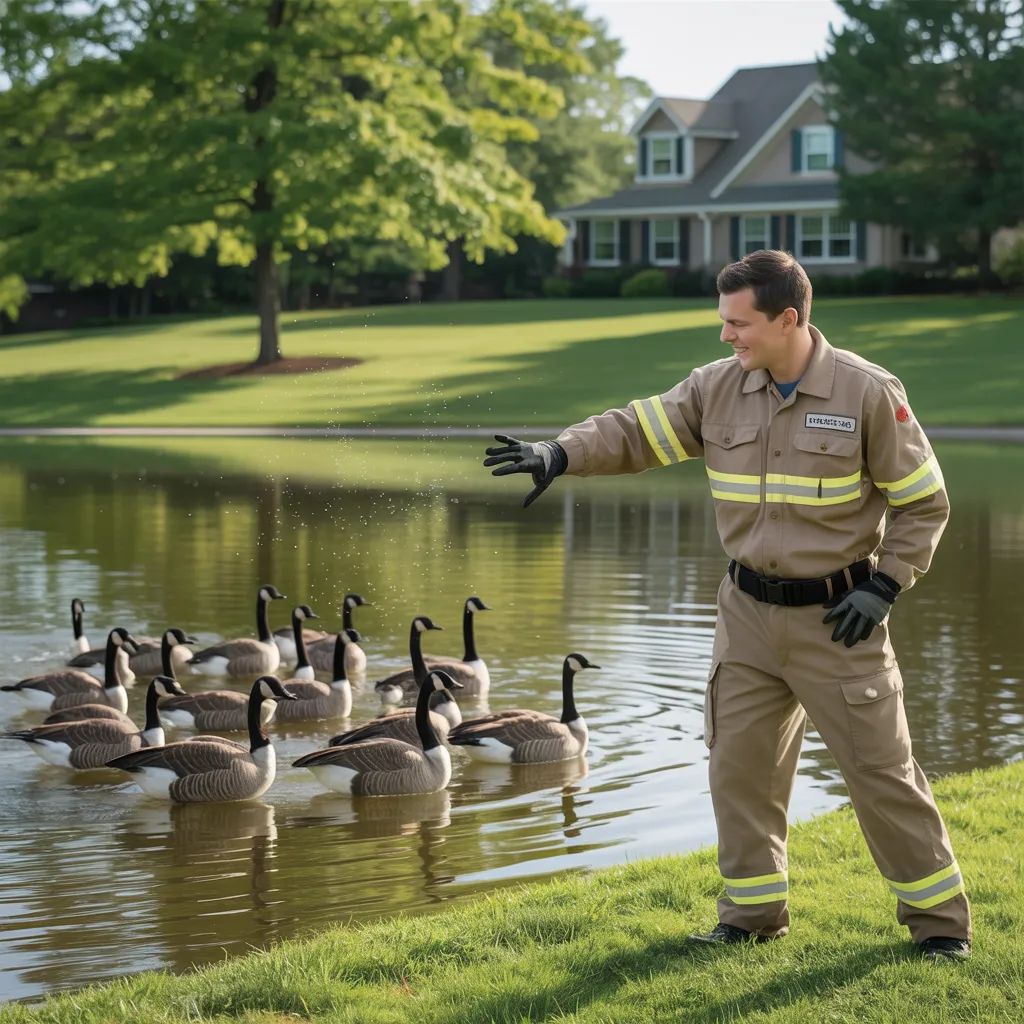
Frequent Wildlife Challenges You Could Experience
Wildlife encounters often cause numerous problems for property owners and managers. Frequent problems involve rodent infestations, such as rats and mice, which can cause property damage and transmit diseases. Raccoons and squirrels may also infiltrate attics and basements, causing structural harm and noise disturbances. In addition, deer often damage gardens and landscaping, while birds can create messes and noise in outdoor spaces.
Within urban environments, animals may grow increasingly daring, rooting through waste receptacles and creating unsightly litter. Snakes may pose risks in yard areas, most notably in locations where venomous species are present. Creatures including raccoons and skunks may act aggressively when backed into a corner. The existence of such wildlife may result in safety hazards and emotional discomfort for homeowners. Comprehending these issues is critical for efficient management and preserving a safe residential environment.
Top Ways to Prevent Wildlife Intrusions
Proven preventive measures can greatly reduce the likelihood of wildlife invasions in neighborhoods. Homeowners should begin by securing potential entry points, such as gaps in foundations, vents, and attics. Fitting tight screens and closing off holes can discourage animals from settling in. In addition, keeping yards clean and free of food sources is essential; this includes securing trash in animal-proof containers and regularly clearing away fallen fruit or pet food. Landscaping choices also play a role; using native plants that are less appealing to wildlife can limit the draw for animals. Erecting fences can create a physical boundary, but they must be high and deeply set to prevent burrowing animals. Finally, raising community awareness about wildlife habits helps promote forward-thinking solutions, enabling communities to collectively copyright a wildlife-free living space. By implementing these strategies, homeowners can successfully protect their homes from undesirable animal intrusions.
How to Humanely Trap and Relocate Wildlife
Trapping and transporting wildlife necessitates meticulous planning and deliberation to ensure the process is humane and effective. First, it is essential to select appropriate traps designed specifically for the target species. Such traps must be sufficiently spacious to house the animal while maintaining its safety and comfort. Placing the right food in the trap will enhance the probability of an effective capture.
Once an animal has been captured in a trap, it is important to monitor the trap frequently to minimize stress and potential harm. Once the animal has been caught, relocation should occur promptly to an area that offers adequate habitat and food sources, away from human dwellings. Following local regulations regarding wildlife relocation is necessary, as certain species may be protected or require special permits. At its core, adopting a compassionate method benefits the animals while also fostering harmony between human communities and the surrounding natural world.
Humane Approaches to Discourage Animals
Humane relocation of wildlife commonly creates the need for effective deterrence methods to stop animals from coming back to human-inhabited areas. A number of approaches can be utilized to prevent animals from accessing these locations. The use of naturally derived repellents, such as predator urine or strong-smelling substances like vinegar and garlic, can effectively create an unwelcoming environment. Furthermore, tangible obstacles, including wire fencing and mesh netting, help to limit entry into garden spaces and other points of interest.
Sound-based repellents, including motion-activated devices or ultrasonic repellers, may prove highly useful in driving animals off. Additionally, maintaining a clean and clutter-free outdoor area limits available food sources, making the environment less appealing. Growing certain plant species that are unappealing to nearby animals serves to further reduce wildlife activity in the space. By implementing these safe and humane methods, homeowners can establish a less attractive environment for animals, fostering peaceful cohabitation while preserving property and valuable resources.
How to Handle the Situation When You Discover an Injured Animal
When encountering a hurt animal, it is essential to begin by assessing the circumstances to find the most suitable approach. copyrightining the animal's state and environment can supply critical information. Upon completing this assessment, contacting a wildlife rescue organization is necessary for appropriate assistance and treatment.
copyrightine The Situation First
Encountering an injured creature can be a distressing experience, so it is vital to carefully assess the situation before taking any action. First, the individual should watch the animal from a distance, paying attention to its state and actions. This helps determine whether the animal is genuinely hurt or just at rest. Next, copyrightining the environment is vital; recognizing possible hazards, such as nearby traffic or hostile animals, can guide the appropriate next steps. It is necessary to stay calm, as sudden movements may startle the animal and exacerbate its distress. Moreover, the time of day can affect how urgent the situation is; nocturnal animals may be more vulnerable after dark. Ultimately, a thorough evaluation lays the groundwork for appropriate intervention.
Connect With A Wildlife Rescue
Upon discovering an injured animal, contacting a wildlife rescue organization is an essential step in ensuring its safety and well-being. Wildlife rescue organizations possess the skills and tools necessary to assess the animal's condition and offer the necessary treatment. When reaching out, it is essential to supply detailed information, such as the species, location, and nature of the injury. This data enables rescuers to respond appropriately. You should refrain from handling the injured animal unless it is absolutely necessary, as doing so may worsen its stress or injury. Following the call for assistance, you should observe the animal from a safe distance until assistance arrives, making sure the surroundings stay as calm as possible. Taking swift action can significantly improve the animal's chances of recovery.
Local Wildlife Control Resources You Can Trust
When managing wildlife concerns, it is vital to know dependable resources within the community. Community wildlife organizations, state wildlife services, and pest management experts can offer effective assistance and guidance. Knowing these options can help secure the most favorable outcomes for both residents and wildlife.
Local Wildlife Groups
Wildlife community organizations act as invaluable tools for individuals seeking reliable wildlife control solutions. Such organizations frequently emphasize education and advocacy, advancing ethical approaches to resolving wildlife issues. They supply useful guidance regarding local species, their behaviors, and effective deterrents, helping residents make informed decisions. Several organizations further supply educational events, courses, and literature that emphasize coexistence with wildlife, nurturing a broader appreciation for surrounding natural environments. Additionally, they may facilitate community outreach programs, pairing community members with qualified wildlife handling professionals when required. By championing humane standards and neighborhood engagement, these organizations play a vital role in balancing human needs with the well-being of wildlife, ensuring a harmonious coexistence.
Government Wildlife Control Services
Government wildlife agencies function as a dependable solution for addressing wildlife-related conflicts effectively. Such organizations are generally connected to federal or state governments, delivering professional guidance and support to communities dealing with wildlife issues. They employ trained personnel who have expertise in regional ecosystems and animal behavior, making sure that approaches are adapted to individual circumstances. Services may include wildlife population management, habitat assessments, and public education on coexistence. By utilizing humane methods, these wildlife agencies focus on the well-being of both animals and communities. These agencies also collaborate with regional organizations to encourage sustainable practices and raise awareness about the conservation of wildlife. For residents seeking assistance, these resources provide a dependable solution for addressing conflicts responsibly and safely.
Local Pest Control Professionals
Local pest control experts fulfill a critical purpose in handling animal-related concerns at a more regional level, working alongside government wildlife services. These specialists hold expert understanding about regional habitats and the particular animals that may present difficulties in city and residential environments. Such professionals are skilled in ethical approaches to wildlife management, focusing on the protection of animals and residents alike. Additionally, community specialists are well-versed in the guidelines and industry standards tailored to their communities, ensuring compliance and effectiveness. By utilizing methods including barrier installation, environmental adjustment, and humane repellents, they help mitigate conflicts between humans and wildlife. Engaging with local pest control experts can result in long-term answers that encourage harmonious living, thereby improving conditions for both wildlife and local residents.
Questions We Often Receive
What Legal Rules Apply to Wildlife Control in My Area?
Legal regulations for wildlife control vary by jurisdiction. People are encouraged to reach out to local wildlife authorities or official government websites to gain a clear understanding of the specific rules surrounding trapping, relocation, and wildlife see guide management in their region to ensure they remain in compliance with all relevant laws.
How Can I Educate My Children About Wildlife Safety?
To inform children about wildlife safety, parents can facilitate conversations, use books and videos, arrange nature walks, and engage in role-play scenarios. Such activities cultivate a sense of awareness and respect for wildlife, encouraging safe interactions with animals in their surroundings.
What Should I Do When My Pet Encounters Wildlife?
If a pet encounters wildlife, the pet owner should keep calm, secure the pet with a leash, and slowly back away without alarming the animal. It's vital to maintain a safe distance and avoid any confrontation.
Do Natural Repellents Exist for Particular Animals?
Natural repellents include citrus-based deterrents effective against cats, vinegar for raccoons, and peppermint oil as a rodent deterrent. Furthermore, the combination of garlic and cayenne pepper effectively discourages numerous animals, offering an environmentally conscious method for handling wildlife encounters.
How Can I Identify Different Species of Wildlife in My Backyard?
To identify diverse animal species in a garden, it is important to observe physical features, habits, and calls. Using reference guides and smartphone apps can aid in identifying wildlife, while observing seasonal changes can offer further insight to wildlife activity.